Phil Holloway
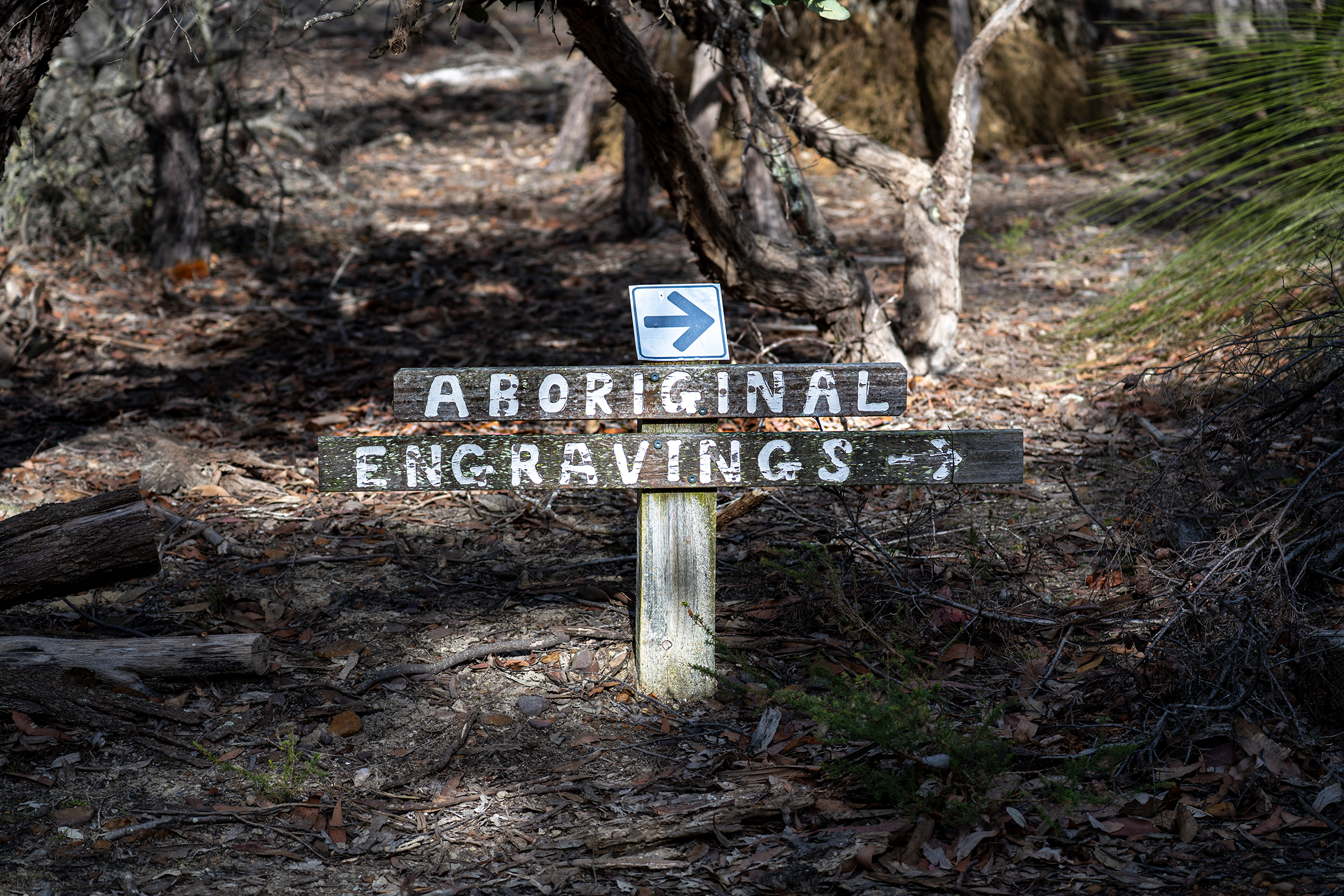
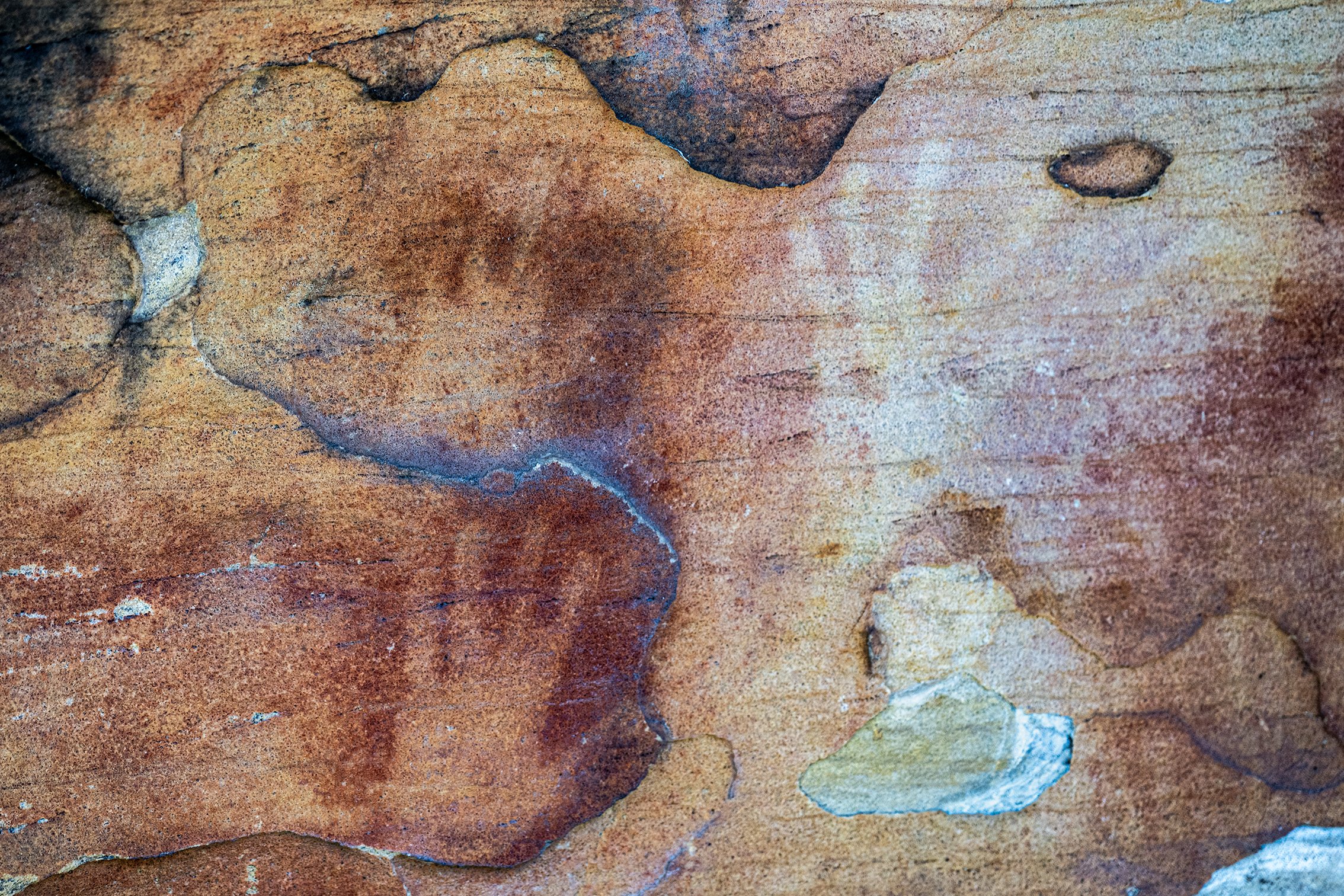
Tassin Barnard, the Owner Director of Walkabout Wildlife Sanctuary on the Central Coast of NSW, described having some hesitation about the original purchase of Walkabout, however on her first visit to the property, standing near an ancient emu engraving, she felt what she could only describe as a deep sense of gravitas, a visceral connection to the land.
After only 10 days of moving in, they were confronted by bulldozers arriving in the bush next door destroying sections of the sanctuary’s fox-proof fencing and exposing animals to immediate danger. The land next door, a State owned national park, was being assessed for sand mining.
What followed was a 15-year fight to protect the land where they achieved what others told them was impossible. Tassin and her family won the battle. The land is now protected. However, they did not do this alone, their relationship with their local Darkinjung and the Wannangini people was pivotal. And what may have started as a relationship of necessity to save the land from mining, has turned into a flourishing, collaborative partnership built on trust, respect, and shared purpose.
Walkabout Wildlife Sanctuary Indigenous Collaboration
Walkabout’s connection with the local Aboriginal community began through the sanctuary’s original owner, who introduced Tassin to respected Elders, Auntie Tracey and Uncle David.
From the outset, the relationship was personal rather than formal. Tassin describes being “adopted” into their family, with the Elders guiding her onto Country and sharing knowledge through lived experience. Together, they explored the landscape, uncovering culturally significant sites, many of which had never been formally recorded.
What followed was connecting to the wider Indigenous community. This included joining an organization called Mingaletta, a key Aboriginal and Torres Strait Islander organisation based in the Central Coast. Seeking to better understand the cultural significance of the land she was responsible for, Tassin became part of this community.
The women Elders took Tassin in, providing her with a wealth of knowledge and over time, these connections deepened. The sanctuary became a gathering place, with Elders and community members regularly visiting, sharing knowledge, and strengthening ties.
Importantly, none of these relationships were formalised through contracts or structured agreements. Instead, they grew organically through mutual respect, shared experiences, and genuine friendship, an approach Tassin credits as central to their success.
With this, there is now a community of people to refer to for questions or consultation on further indigenous engagement initiatives within the Sanctuary, including recently the introduction of Aboriginal language interpretation signage.
Learnings from Country and Collaboration
Over two decades, Tassin’s understanding of Aboriginal culture has evolved significantly, shaped by many teachers and perspectives rather than a single source of knowledge.
She speaks to the importance of learning as an ongoing, layered process. Knowledge is shared over time, through different people and different experiences.
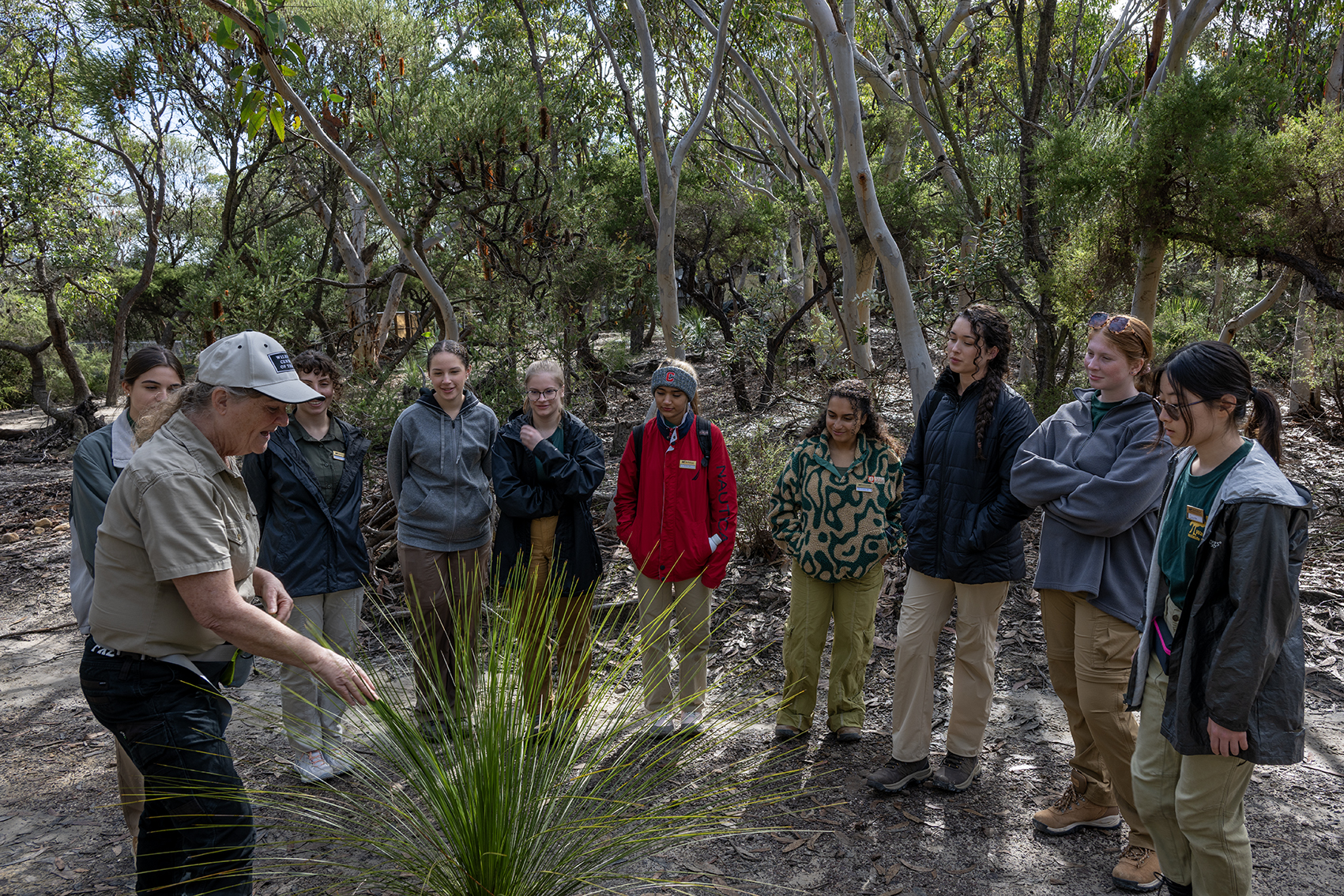
Not only has Tassin gained a deeper understanding of the cultural significance of the area and its attached stories, she has also learned more about traditional sustainability practices and land management, the complexity of concepts such as “women’s business” and “men’s business”, the role of songlines as both navigational and cultural systems and the responsibility of caring for Country.
These teachings have shaped how Walkabout Wildlife Sanctuary operates. Cultural knowledge is not treated as an add-on, it is an integral part of how the Sanctuary understands and manages the land on which it resides.
Overlaying both cultural knowledge and contemporary knowledge and applying it in combination is a key part in everything they do at Walkabout Wildlife Sanctuary. Together, these approaches reflect a holistic model of conservation, one that recognises the value of both ancient knowledge systems and modern science in responding to current environmental challenges.
Phil Holloway
Impact and importance of Indigenous Partnerships
For Tassin, the value of Indigenous collaboration goes far beyond consultation or compliance. At its core, it is about respect, not simply in the sense of politeness, but in recognising and valuing different ways of understanding the world.
These collaborations have deepened understanding of the land and its significance, strengthened conservation practices, created meaningful relationships within the local community and enriched the experience for visitors.
While many guests arrive with the intention of seeing wildlife, they leave with a deeper appreciation for the cultural and environmental significance of the land. Staff play a key role in this, sharing knowledge about Aboriginal sites, stories, and the importance of protecting Country.
Not only have these relationships been valuable for the Walkabout team and their visitors but also for the Indigenous community; reclaiming knowledge after it has been disrupted or lost through Australia’s complex history. The systems of passing down language, culture, and practice have been fractured, with Walkabout Wildlife Sanctuary offering a platform for cultural renewal to relearn stories and practices and strengthen identity.
Phil Holloway
Key lessons and How to Get Started
Tassin emphasises that building meaningful relationships with Aboriginal communities does not begin with formal processes, but with genuine connection. Through their journey, Walkabout Wildlife Sanctuary has demonstrated that meaningful Indigenous collaboration is built on time, trust, and authenticity.
For those that are wanting to create/build on their own relationships with their Indigenous community, Tassin has some key takeaways:
- Start by getting to know your local Aboriginal community and organisations
- Build relationships with individuals, not just institutions
- Focus on shared values and interests rather than identical perspectives
- Invest time in conversations, listening, and learning
- Value multiple perspectives rather than seeking a single source of knowledge
- Be open to relationships that develop organically, rather than forcing formal structures
Although Tassin describes feeling incredibly lucky the Darkinjung and the Wannangini people adopted her, she also worked incredibly hard to nourish these relationships. Through respect, openness, and a willingness to learn, their partnership with the local Aboriginal community has become central not only to protecting the land, but to shaping the identity and impact of the whole of the Walkabout Wildlife Sanctuary and the adjacent Calga Valley.
The Zoo and Aquarium Association Australasia want to support our members to strengthen their understanding and capability to work respectfully with Indigenous peoples and culturally diverse communities. If you would like more information, please reach out to the ZAA team.
Do you have a project or display you would like to share with the ZAA audience? Reach out to [email protected] to organise a chat.