Member Spotlight: Sydney Zoo’s Cultural Engagement
Sydney Zoo’s Indigenous Engagement Initiatives are embedded in their operations running like any other aspect of the zoo. Achieving this has been no easy feat; they have been working hard at nourishing their partnerships and operations for over 6 years. There are many benefits to including First Nations voices and perspectives in your organisational operations but knowing where to start can be a huge barrier.
We sat down with Liz Gerber, Sydney Zoo’s Conservation and Engagement Manager to discuss the importance of First Nations collaboration and Sydney Zoo’s experience and learnings.
Since opening in 2019 Sydney Zoo has embedded First Nations perspectives into their employment, education and visitor experiences. They aim to go beyond representation, prioritising collaboration and long-term impact, to set the benchmark for incorporating Indigenous led conversations and initiatives in organisation operations.
Sydney Zoos Initiatives:
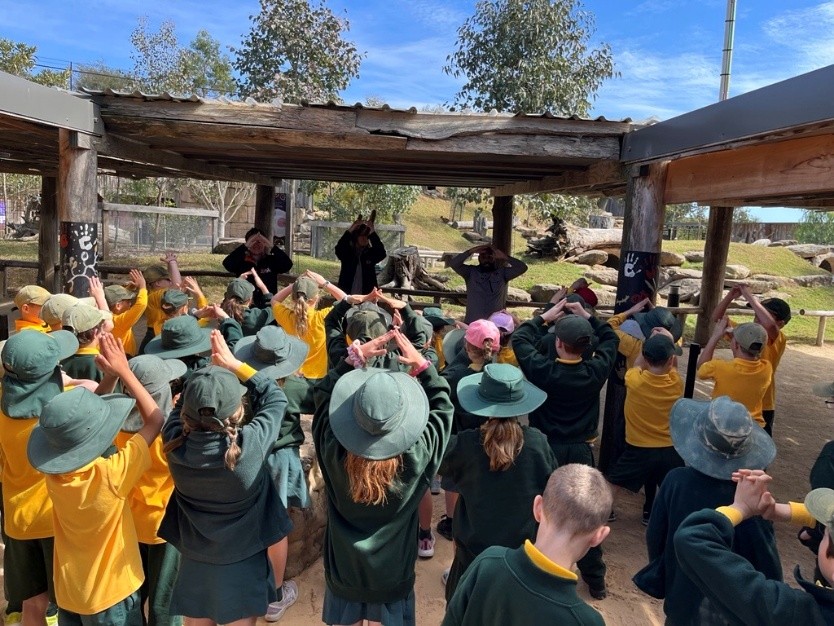
From the very beginning of operations Sydney Zoo has delivered a diverse suite of cultural engagement initiatives designed to share First Nations knowledge, stories, and perspectives with a wide audience. These include curriculum-aligned school workshops from Kindergarten to Year 12, cultural tours for inbound tourism groups, private guided experiences, a “Keeper for a Day” program, and targeted workshops during key events such as NAIDOC Week and National Reconciliation Week.
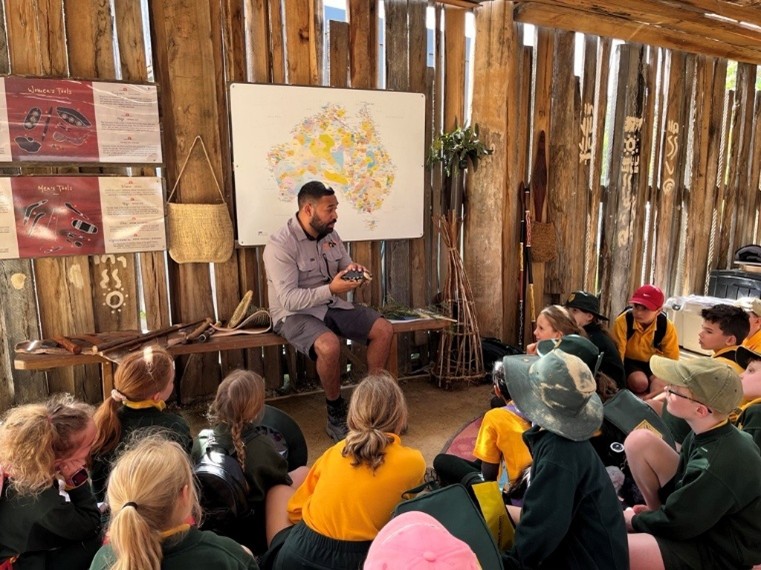
These programs are led by a dedicated First Nations Cultural Education team and are designed to provide authentic, engaging, and educational experiences that connect visitors with both culture and Country.
While these initiatives are focused on sharing First Nations knowledge and stories with Sydney Zoo’s visitors, they have also transformed the internal culture of Sydney Zoo with some profound impacts felt by their First Nations staff, influencing their own connection to their culture.
How First Nations Voices Lead the Programs:
Sydney Zoo ensures First Nations leadership is embedded across all cultural programming. The Cultural Education team is made up of First Nations staff representing multiple Nations, including Darug, Gammilaroy, Muruwarri, Joondoboori, Dharawal, Wiradjuri, and Darkinjung, reflecting the diversity of Aboriginal cultures across Australia.
All cultural content, including school workshops and interpretation, is written and delivered by the First Nations team. Staff are supported through a structured mentorship model pairing junior and senior guides to build skills, knowledge, and cultural connection. This approach ensures programs are grounded in lived experience, authentic voices, and cultural authority.
How to get Collaboration Started:
Liz highlighted in our chat that meaningful ongoing First Nations initiatives are not a one-off consultation but rather a long-term partnership.
Sydney Zoo established its Cultural Education team prior to opening, ensuring First Nations engagement was embedded from the outset. Early partnerships included collaboration with Darug consultants Erin Wilkins and Leanne Watson, as well as Muru Mittigar, a Darug-led social enterprise, to co-design cultural education programs.
Support from Marist 180 helped establish an Advisory Committee to guide the program, while recruitment focused on Western Sydney, home to one of Australia’s largest and most diverse First Nations populations.
These relationships have continued through ongoing collaboration and community engagement, ensuring programs remain relevant, authentic and community led.
There are many Indigenous led organisations that can support these kinds of initiatives. Reaching out to an Aboriginal consultancy is a good starting point; they can provide support around cultural intellectual property, consultation processes, and content development.
What is the Value in these Collaborations:
Sydney Zoo recognises that embedding First Nations perspectives is essential to its role as an educational and cultural institution. This work ensures that First Nations histories, stories, and voices are recognised and respected, while fostering a deeper appreciation for one of the world’s oldest continuous cultures.
It also strengthens the zoo’s ability to shape understanding among young people, supports pride and cultural identity among First Nations communities in Western Sydney, and creates meaningful, respectful connections between visitors and culture. Ultimately, it positions the Zoo as a place where learning extends beyond wildlife to include cultural understanding and respect.
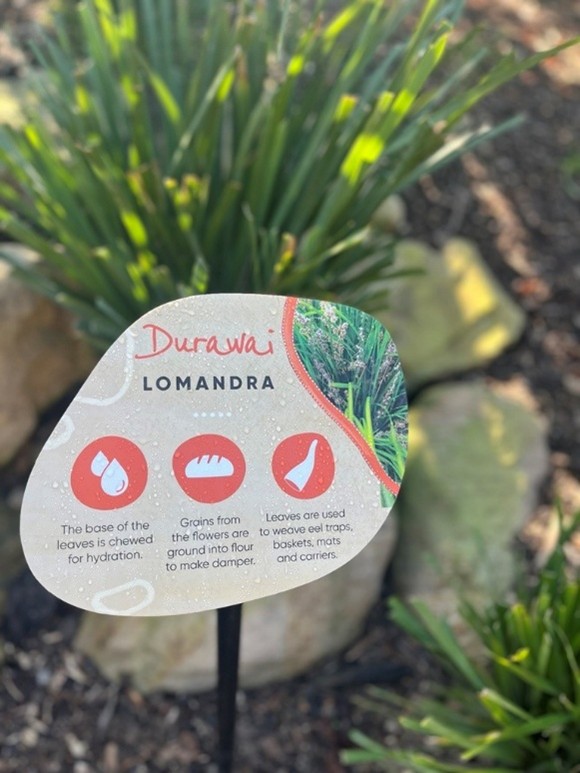
Not only is their value in sharing, but they also transform visitor experience. Visitors engage with Australian wildlife through the lens of the world’s oldest living culture, creating a more holistic and meaningful experience. The Bungarribee Wildlife Experience, the Zoo’s Australian precinct, integrates cultural storytelling through a Darug lens, supported by the use of Darug language, artwork, and interpretation throughout the space. Guests participate in hands-on activities such as traditional weaving and tool-making and gain personal insights through storytelling.
Overall Learnings:
Through these partnerships, Sydney Zoo was able to engage with local First Nations organisations and knowledge holders from the very beginning. Authentic representation requires diverse voices and lived experience, not a single narrative.
Embedding First Nations engagement into operations requires:
- Partnering with local First Nations organisations and knowledge holders from the outset
- Prioritising authentic representation through diverse voices and lived experience
- Investing in long-term relationships rather than one-off consultation
- Creating meaningful employment and development pathways within local communities
- Embedding mentorship to support future cultural educators
- Ensuring cultural education is led by First Nations people
Sydney Zoo also recognises that meaningful outcomes comes from long-term relationship building, investment in community pathways, and creating opportunities for employment and development. Mentorship has proven critical in supporting the next generation of cultural educators and strengthening cultural continuity within the team.
The Zoo and Aquarium Association Australasia seeks to support members to strengthen engagement with Indigenous peoples and culturally diverse communities by showcasing member insights for sharing across the membership.
In addition, we have an upcoming Cultural Awareness Training Program available for all members. This online Webinar has been designed to provide a strong Cultural Competency foundation, together with practical guidance for engaging respectfully, building confidence, and navigating uncertainty in real-world situations.
Do you have a project or display you would like to share with the ZAA audience? Reach out to [email protected] to organise a chat.